“Chemical Analysis” search results (300)
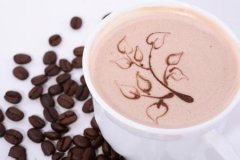
Detailed analysis of the ingredients of coffee beans general knowledge of fine coffee
Moisture: the water content of coffee beans varies greatly with different processing stages and products. The moisture content of wet coffee beans with film is about 50%, while that of dried raw coffee beans is about 10%-13%. The water content of roasted coffee beans is only less than 5%. The existence of water in coffee beans is the same as other kinds of food and beverages, because it contains a considerable amount of hydration colloid macromolecules.
2015-02-25 Coffee beans ingredients details analysis boutique coffee common sense moisture coffee beans containing
Analysis on the skills of initial processing and roasting of Coffee
The harvest time is different in different countries and regions. The harvest process requires a lot of manpower, especially high-quality selected coffee, which can only pick fully ripe red coffee cherries. Because all coffee cherries don't ripen at the same time, you need to go back to the same tree many times to pick. Coffee beans come from a mature seed called coffee cherry (cherries).
2015-09-15 Coffee initial processing roasting skills analysis
Use chemical knowledge to help you analyze the coffee ingredients of individual coffee products.
Any coffee enthusiast who knows how to drink coffee knows that really high-quality coffee is not too bitter, but for most of us, most of the coffee we drink is bitter. Fortunately, through the principles of chemistry, even laymen without professional training can make coffee of good quality! It's like adding salt to coffee to lighten the bitterness, science can
2016-05-30 Chemistry knowledge help you analysis coffee individual products ingredients any one OK
The composition of coffee beans
Sugar: without sugar, you will not only feel the bitterness of caffeine and the sour taste of tannin, but also feel sweet, which is caused by the sugar contained in the coffee itself. After baking, most of the sugar will be converted to caramel, bringing a unique brown to the coffee. Minerals: lime, iron, sulfur, sodium carbonate, phosphorus, chlorine, silicon, etc., because the proportion rarely affects coffee.
2014-07-02 Coffee bean ingredients understand coffee beans
Detailed analysis of carbohydrates in coffee beans
★ moisture: the water content of coffee beans varies greatly with different processing stages and products. The moisture content of wet coffee beans with film is about 50%, while that of dried raw coffee beans is about 10%-13%, and that of roasted coffee beans is only less than 5%. The existence of water in coffee beans is the same as other kinds of food and beverages, because it contains a considerable amount of hydration colloid macromolecules.
2015-08-25 Coffee beans ingredients details analysis carbohydrates moisture coffee beans content no
Detailed Analysis of the components of Fine Coffee
★ moisture: the water content of coffee beans varies greatly with different processing stages and products. The moisture content of wet coffee beans with film is about 50%, while that of dried raw coffee beans is about 10%-13%, and that of roasted coffee beans is only less than 5%. The existence of water in coffee beans is the same as other kinds of food and beverages, because it contains a considerable amount of hydration colloid macromolecules.
2014-12-24 Boutique coffee common sense coffee beans ingredients details analysis moisture containing
The taste of roasted coffee beans.
Coffee's color, aroma, and taste are the result of complex chemical changes that occur through the roasting process. Therefore, raw beans must undergo appropriate chemical procedures to achieve the most balanced state of its essential ingredients in order to be considered the best baked beans. Coffee aroma changes with heat, so roast time should be as short as possible, and heat control can make coffee beans
2015-03-05 coffee beans roast after taste coffee color aroma penetration
Savor the bitterness of coffee
The color, aroma and taste of coffee are caused by some complex chemical changes that take place during the baking process. Therefore, raw beans must go through appropriate chemical procedures to achieve the most balanced state of its essential ingredients in order to be regarded as the best baked beans. The aroma of coffee varies with the heat, so the baking time should be shortened as much as possible, and the heat can be controlled at the level of coffee beans.
2014-07-30 Savor coffee
"dissecting" coffee
The main source of protein calories is protein, and like dripping coffee, most of the protein will not dissolve, so no matter how much coffee you drink, the nutrition you get is limited, which is why coffee will become a sacred food for dieters. Sugar: without sugar, you will not only feel the bitter taste of caffeine and the sour taste of tannin, but also feel the sweet taste.
2014-08-22 Coffee knowledge coffee encyclopedia coffee common sense
Five flavors of Fine Coffee
The color, aroma and taste of sweet coffee are caused by some complex chemical changes that take place during the roasting process. Therefore, raw beans must go through appropriate chemical procedures to achieve the most balanced state of its essential ingredients in order to be regarded as the best baked beans. The aroma of coffee will change with the heat, so the baking time should be shortened as much as possible, and the coffee is hot.
2015-01-17 Boutique coffee common sense five kinds taste bitter sour color aroma
Boutique coffee the ingredients of boutique coffee beans
Sugar: without sugar, you will not only feel the bitterness of caffeine and the sour taste of tannin, but also feel sweet, which is caused by the sugar contained in the coffee itself. After baking, most of the sugar will be converted to caramel, bringing a unique brown to the coffee. Minerals: lime, iron, sulfur, sodium carbonate, phosphorus, chlorine, silicon, etc., because the proportion rarely affects coffee.
2014-11-12 Coffee knowledge boutique coffee science boutique coffee beans ingredients
Analysis of caffeine content in ice drop coffee and all kinds of coffee
Ice caffeine is a Dutch colony in Java, Indonesia, in the 17th century. It is said that the coffee extraction method used here was introduced by Dutch merchants, so it was named Dutch coffee Dutch Coffee. This kind of coffee drips with ice water for a long time, so it is also called coldbrew coffee cold (ice brew) or water drip coffee (ice drop). one
2016-07-26 Ice droplets coffee various production caffeine content analysis history 17th century
Detailed analysis of the ingredients of coffee beans what are the ingredients in a coffee bean?
★ moisture: the water content of coffee beans varies greatly with different processing stages and products. The moisture content of wet coffee beans with film is about 50%, while that of dried raw coffee beans is about 10%-13%, and that of roasted coffee beans is only less than 5%. The existence of water in coffee beans is the same as other kinds of food and beverages, because it contains a considerable amount of hydration colloid macromolecules.
2015-10-09 Coffee beans ingredients details analysis one what moisture coffee beans content no
The color and smell of coffee represent the quality of coffee.
The color, aroma and taste of coffee are caused by some complex chemical changes that take place during the baking process.
2014-05-13 Coffee knowledge color flavor and quality
Interpret the sour, bitter and mellow aroma of coffee for you.
The color, aroma and taste of coffee are caused by some complex chemical changes that take place during the baking process. Therefore, raw beans must go through appropriate chemical procedures to achieve the most balanced state of its essential ingredients in order to be regarded as the best baked beans. The aroma of coffee varies with the heat, so the baking time should be shortened as much as possible, and the heat can be controlled at the level of coffee beans.
2014-07-23 Coffee taste coffee taste coffee encyclopedia
Coffee taste interpretation of the sour, bitter and mellow aroma of coffee
The color, aroma and taste of coffee are caused by some complex chemical changes that take place during the baking process. Therefore, raw beans must go through appropriate chemical procedures to achieve the most balanced state of its essential ingredients in order to be regarded as the best baked beans. The aroma of coffee varies with the heat, so the baking time should be shortened as much as possible, and the heat can be controlled at the level of coffee beans.
2014-09-27 Coffee knowledge coffee taste coffee aroma
Fine Coffee Science interprets the sour, bitter and mellow aroma of coffee
The color, aroma and taste of coffee are caused by some complex chemical changes that take place during the baking process. Therefore, raw beans must go through appropriate chemical procedures to achieve the most balanced state of its essential ingredients in order to be regarded as the best baked beans. The aroma of coffee varies with the heat, so the baking time should be shortened as much as possible, and the heat can be controlled at the level of coffee beans.
2014-10-14 Coffee knowledge boutique caffeine coffee taste
The composition of coffee beans the bitterness and mellowness of coffee
Sugar: without sugar, you will not only feel the bitterness of caffeine and the sour taste of tannin, but also feel sweet, which is caused by the sugar contained in the coffee itself. After baking, most of the sugar will be converted to caramel, bringing a unique brown to the coffee. Minerals: lime, iron, sulfur, sodium carbonate, phosphorus, chlorine, silicon, etc., because the proportion rarely affects coffee.
2015-09-22 Coffee beans ingredients coffee bitter sour mellow sugar added sugar in addition to will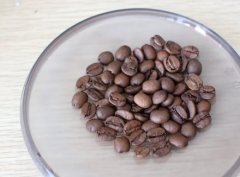
The taste of coffee the taste of a cup of black coffee
The color, aroma and taste of coffee are caused by some complex chemical changes that take place during the baking process. Therefore, raw beans must go through appropriate chemical procedures to achieve the most balanced state of its essential ingredients in order to be regarded as the best baked beans. The aroma of coffee varies with the heat, so the baking time should be shortened as much as possible, and the heat can be controlled at the level of coffee beans.
2015-03-19 Coffee taste cup coffee color aroma through
The chemical action produced by each cup of coffee Chemistry in every cup
English sentences are too professional and difficult to translate! Wait for English experts to translate and submit Coffee has a conflicting reputation is it a guilty pleasure or a life saving elixir? Emma Davies gulps down an espresso and investigates In Short Drinking coffee has been associated with a variet
2015-10-28 Per cup coffee produced raw chemical functional Chemistry ev